PCOS/PCOD Treatment in Mumbai & Navi Mumbai – Dr. Madhushree Venkat |
Expert Care for Hormonal Balance, Fertility & Long-Term Wellness
Expert PCOD / PCOS Treatment in Airoli
PCOD (Polycystic Ovarian Disease) and PCOS (Polycystic Ovary Syndrome) are common hormonal disorders affecting many women during their reproductive years. These conditions disrupt the normal function of the ovaries, potentially impacting menstrual cycles, skin health, weight, fertility, and overall well-being.The good news is that with timely diagnosis, proactive lifestyle management, and the right medical care, women with PCOD/PCOS can lead healthy, active, and fulfilling lives.
Understanding PCOD/PCOS: Why Does It Affect Women?
The ovaries are responsible for producing eggs and essential hormones such as estrogen and progesterone, along with small amounts of androgens (male hormones). PCOD or PCOS occurs when the ovaries fail to mature and release eggs regularly. Multiple small follicles develop but do not reach full maturity. This disruption leads to a hormonal imbalance, usually by an increase in androgen levels, which elevates insulin resistance. The higher insulin resistance, in turn, causes excess androgen production, further hindering follicle development. As this disorder affects the female reproductive system, it naturally occurs only in women

What Are the Causes of PCOD/PCOS?
Several key factors are known to contribute:
Hormonal Imbalance: Elevated levels of androgens (male hormones) prevent the ovaries from releasing eggs (ovulation) regularly.
Insulin Resistance: Many women with PCOS have cells that don’t respond effectively to insulin, leading to high insulin levels in the body. This can increase androgen production, elevating the condition.
Genetics: A family history of PCOS can increase your likelihood of developing it.
Low-Grade Inflammation: Chronic, low-grade inflammation can stimulate the ovaries to produce more androgens.
Common Symptoms of PCOD/PCOS
Symptoms often first appear around puberty; however can also develop later. They can vary in severity and may include:
- Irregular, infrequent, or prolonged menstrual cycles
- Excess facial or body hair (hirsutism)
- Persistent acne or oily skin
- Unexplained weight gain or difficulty losing weight
Hair thinning or loss on the scalp (female-pattern baldness) - Darkening of skin, particularly along neck creases, in the groin, and under breasts (acanthosis nigricans)
- Fertility challenges due to irregular ovulation
- Mood swings, anxiety, or depression
- Sleep disturbances or sleep apnea
If you are experiencing any of these symptoms, a consultation with a gynaecologist is the first step toward effective management.
The Impact of PCOS on a Woman's Health
PCOS is more than a reproductive issue.
Reproductive Health: Irregular ovulation leading to infertility.
Metabolic Health: Increased risk of Type 2 Diabetes, high blood pressure, and high cholesterol.
Physical Appearance: Skin and hair changes can impact self-esteem.
Emotional Well-being: Higher susceptibility to stress, anxiety, and depression.
Long-term Risks: If unmanaged, it can lead to endometrial hyperplasia and cardiovascular issues.
How is PCOS Diagnosed?
Diagnosis typically involves a combination of the following.
1. Medical History & Physical Exam: A detailed discussion of your symptoms, menstrual cycle, and a physical examination.
2. Blood Tests: To check hormone levels (androgens, LH, FSH), insulin resistance, blood sugar, thyroid function, and cholesterol.
3. Pelvic Ultrasound: To visualise the ovaries and check for the presence of multiple small follicles (cysts).
Personalized PCOD/PCOS Treatment in Airoli
Dr Madhushree Venkat creates individualised treatment plans tailored to your specific symptoms, health goals, and whether pregnancy is a current objective.
- Non-Surgical Management
Lifestyle Modification: Foundation of PCOD/PCOS management. Includes a balanced Low-GI diet, 30 minutes of daily exercise, weight control, proper sleep, and stress reduction. Losing even 5–10% body weight can restore regular periods and improve symptoms.
Medications:
Regulate menstrual cycles (birth control or progesterone pills)
Metformin is an oral antidiabetic medication classified under the drug class biguanides. It works primarily by improving insulin sensitivity.
Reduce acne and excess hair
Support ovulation through medication called Clomiphene and other fertility medicines.
LHRH analogs to balance hormones in selected cases
Fertility Support: Ovulation-inducing medicines, IUI, or IVF for women planning pregnancy.
- Surgical Management
Laparoscopic Ovarian Surgery: A minimally invasive keyhole surgery considered only when medications fail to induce ovulation. This procedure can help lower androgen levels and restore spontaneous ovulation. It is rarely a first-line treatment.
Essential Lifestyle & Dietary Changes for PCOS
Adopting a healthy lifestyle is crucial for long-term management:
Diet: Focus on whole grains, lean proteins, healthy fats, and plenty of fruits and vegetables. Reduce intake of sugary drinks, processed foods, and refined carbohydrates.
Exercise: A mix of cardio (like brisk walking, cycling) and strength training is most effective.
Sleep & Stress Management: Prioritise 7-8 hours of quality sleep and incorporate stress-reducing practices like yoga, meditation, or mindfulness.
Chances of Pregnancy with PCOS
Many women with PCOS successfully conceive, either naturally or with medical assistance. By restoring regular ovulation through lifestyle changes and medication, the chances of pregnancy are greatly improved. A gynaecologist can guide you on the best path based on your individual health profile.
How Long Does PCOS Treatment Take
The duration of treatment is highly individual, depending on your symptoms, goals (e.g., weight loss, conception), and response to therapy. While some improvements can be seen within a few months, PCOS is a chronic condition that requires consistent, long-term management for optimal health.
Can PCOS Recur After Treatment
- Lifestyle changes (weight loss/gain, quitting smoking)
- Ovulation induction drugs (like Clomiphene, Letrozole)
- Hormonal therapy
- Surgical correction (fibroids, polyps, endometriosis)
- ART (IUI, IVF)
Infertility treatment for men
- Hormonal therapy
- Treatment for sexual dysfunction
- Surgical correction (varicocele, vas deferens blockages)
- Sperm retrieval techniques for IVF or ICSI
What are common fertility treatments?
- Intrauterine insemination (IUI): Washed sperm is placed directly in the uterus.
- In vitro fertilisation (IVF): Eggs are fertilised in a lab and placed in the uterus.
- Intracytoplasmic sperm injection (ICSI): A single sperm is injected into an egg.
- Assisted hatching: Helps embryos implant.
- Donor eggs, sperm, and embryos
- Surrogacy or gestational carrier
What are the complications of treatment?
- Multiple pregnancy (twins, triplets)
- Ovarian Hyperstimulation Syndrome (OHSS)
- Ectopic pregnancy
- Failed treatment cycles
- Emotional and financial stress
How can I prevent infertility?
- Eat a balanced diet and maintain a healthy weight
- Quit smoking, drinking, or drug use
- Treat STIS early
- Avoid toxin exposure
- Don’t delay childbearing if possible
- Consider egg/sperm freezing if needed
Can infertility be cured?
Yes, in many cases. About 85–90% of couples conceive with the right treatment.
What can I expect if I have infertility?
Infertility can be emotionally difficult, but most couples do conceive with proper care. Success depends on age, diagnosis, and treatment type.
Stay hopeful and get support when needed.
When should you seek help for infertility
- If under 35, after 12 months of trying
- If 35–39, after 6 months
- If 40+, don’t delay — seek help immediately
- Seek earlier if you have known issues like endometriosis, PCOS, or prior surgeries
Additional Common Questions
Can chlamydia cause infertility?
Yes. If untreated, it can cause PID, which damages the fallopian tubes.
Can birth control cause infertility?
No. Fertility returns soon after stopping most contraceptives.
Is endometriosis a cause of infertility?
Yes. Up to 50% of women with endometriosis may face infertility. Treatment can improve the chances of pregnancy.
Women’s Health Services by Dr. Madhushree Venkat

Family Planning
Plan your family with confidence. Get personalized advice on contraception and reproductive health to make informed decisions for your future.
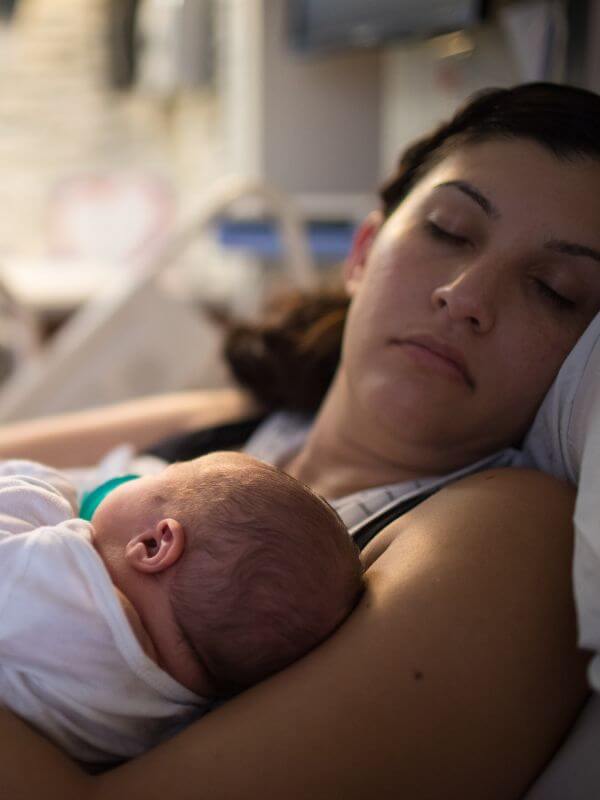
Pre and Post-Delivery Care
Care designed for moms and babies. Regular check-ups, childbirth preparation, and postnatal recovery support ensure a smooth journey.
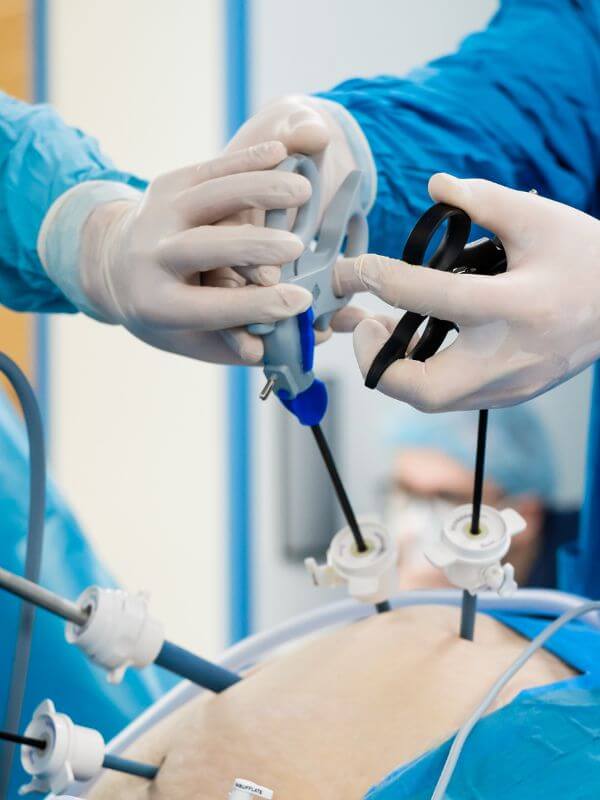
Laparoscopic Surgery
Minimally invasive procedures to treat gynecological issues with precision. Faster recovery and less discomfort for better health outcomes.
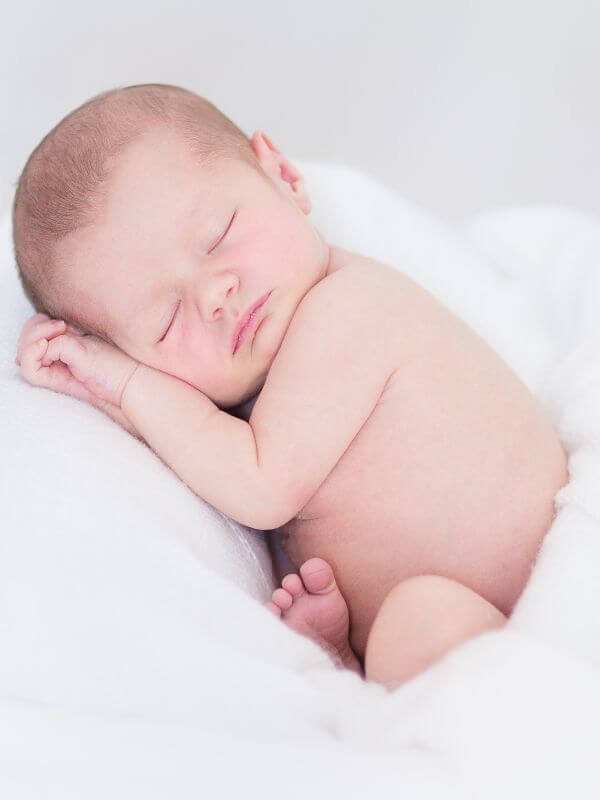
Normal Delivery
Safe and natural childbirth with expert guidance. Dr. Madhushree Venkat ensures a comfortable and supported birthing experience.
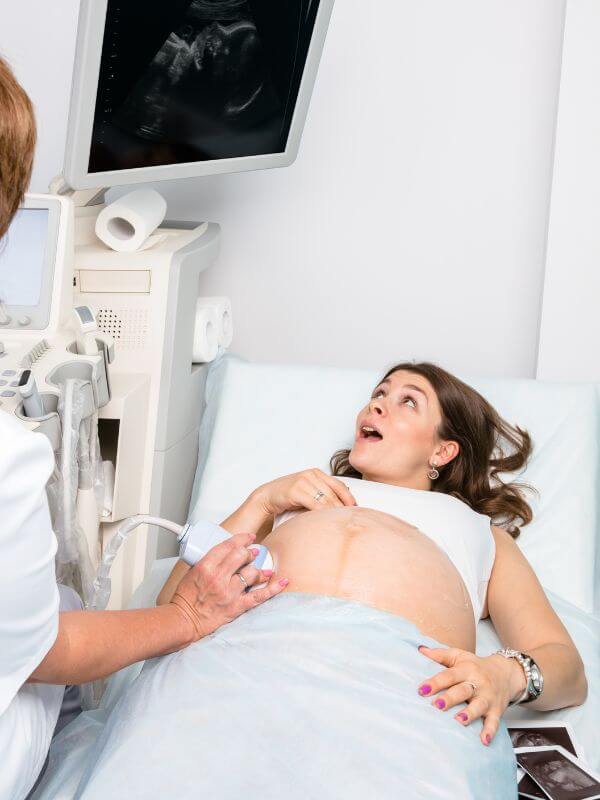
Antenatal Checkups
Regular check-ups during pregnancy help track your baby’s growth and your health. Stay reassured every step of the way.

Menopause Clinic
Ease your menopause symptoms with specialized care. Dr. Madhushree Venkat offers treatments to help you feel better and stay healthy.
Cosmetic Gynecology and Body Contouring Services
Vaginal Rejuvenation
Feel confident with treatments to enhance comfort and appearance.
Liposuction
Remove stubborn fat and achieve a more toned body.
Artificial Dimple Creation
Add charm to your smile with natural-looking dimples.
Hymen Repair
A sensitive procedure performed with care and confidentiality.
Tummy Tuck
Tighten your abdominal area for a smoother, firmer look.
Face-Lift
Restore youthful looks with advanced techniques for a refreshed appearance.
Why Choose Dr. Madhushree Venkat?
With over 24 years of experience, Dr. Madhushree Venkat is a trusted name in women’s healthcare. Here’s why patients choose her for their gynecological and obstetric needs:
Book Your Appointment
- 09167119722
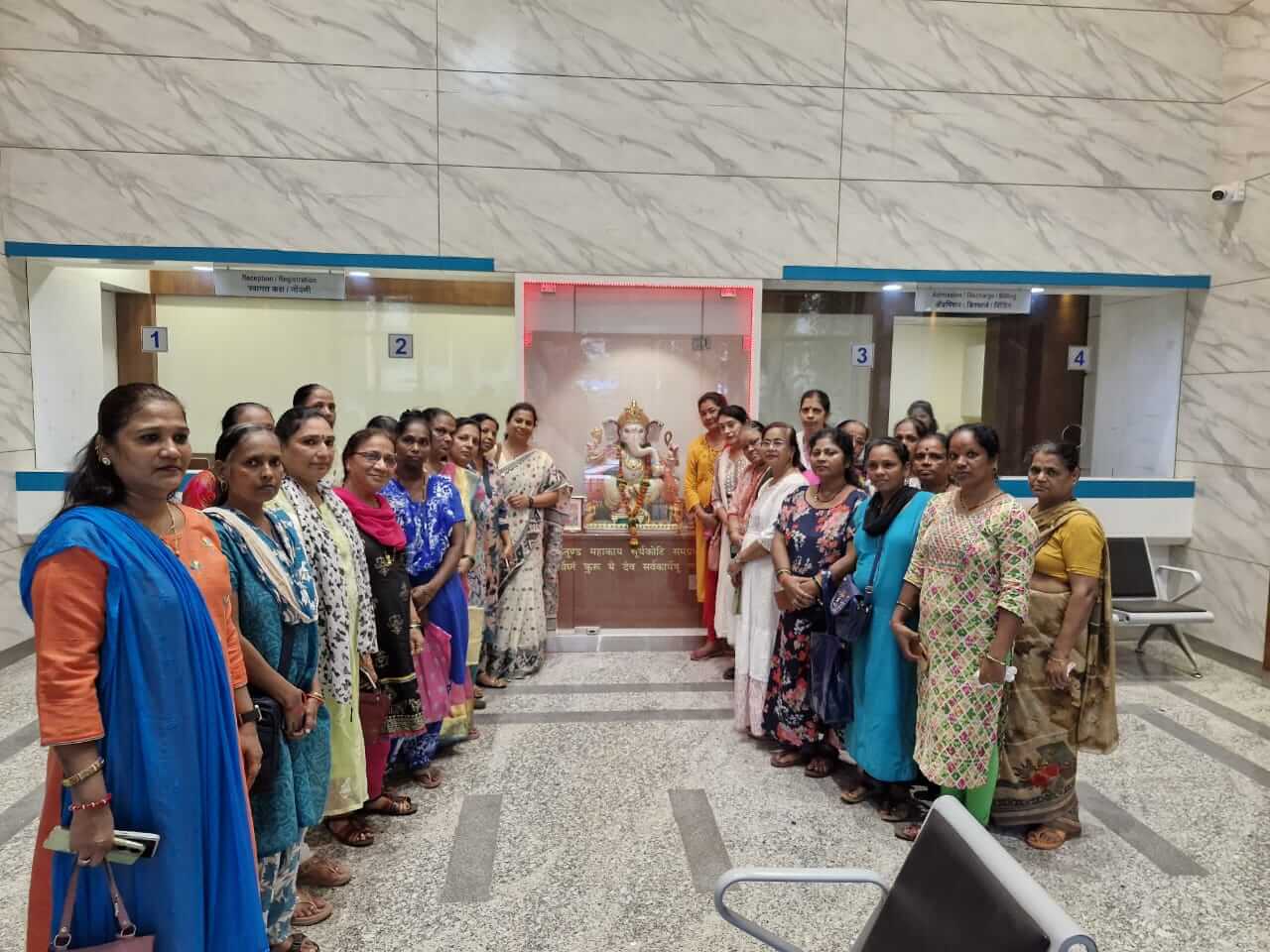
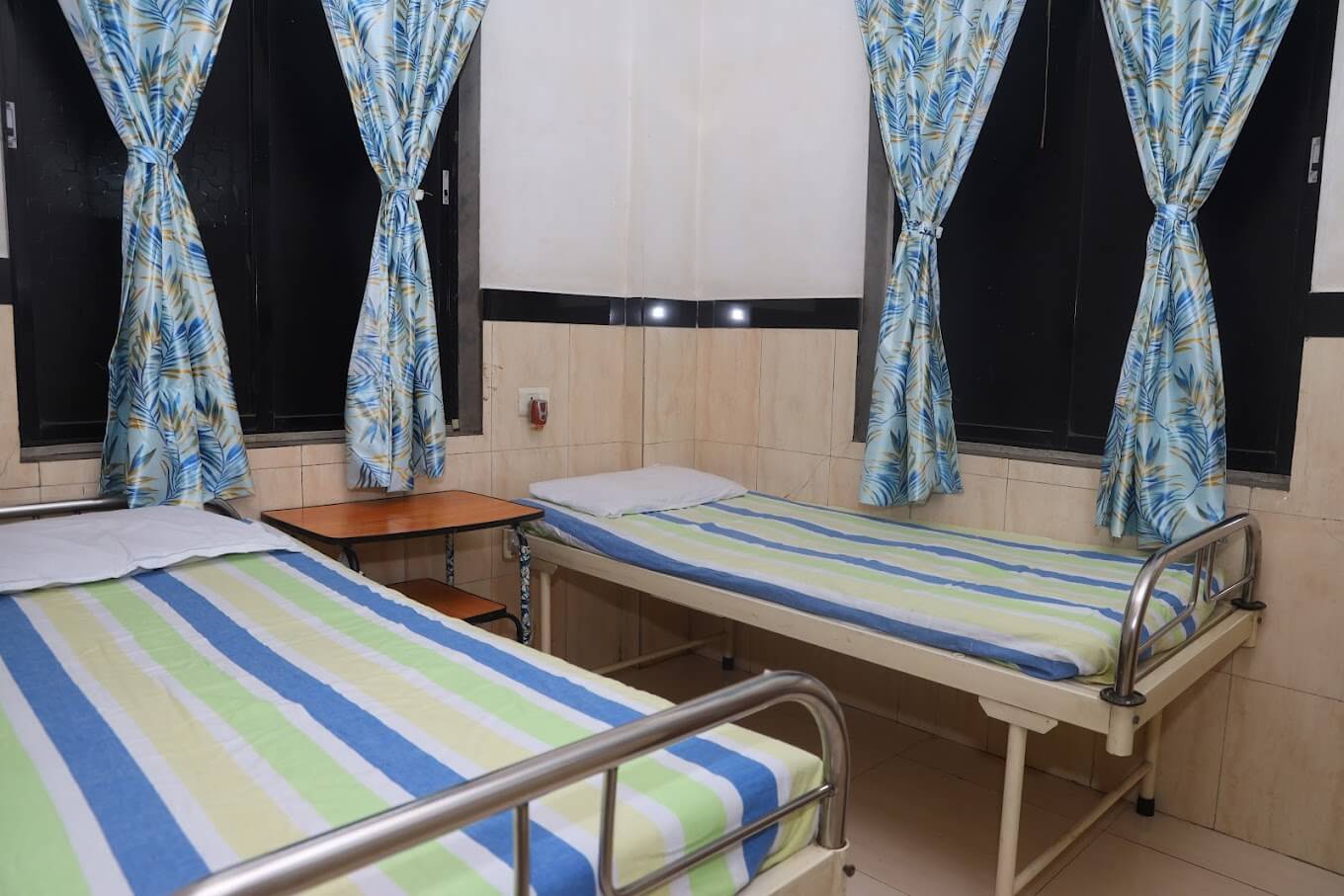
Our Facilities Include


1
Labor and Delivery Suites
2
Operating
Rooms
3
Maternity
Wards
4
Examination Rooms
5
Laboratory Services
6
Infertility
Clinic
7
Menopause
Clinic
8
Cosmetic Gynecology